Treating Equine Recurrent Uveitis
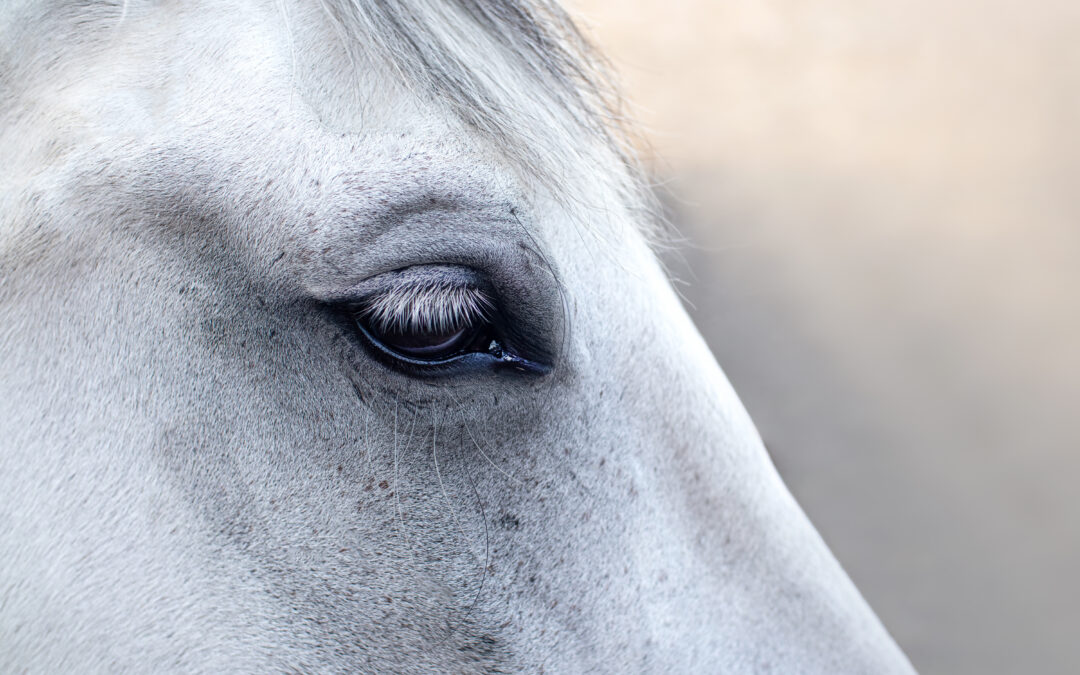
Equine Recurrent Uveitis (ERU) affects 2-25% of horses globally, with approximately half of the affected horses eventually going blind 1,2. In general, the disease is characterized by episodes of blindness in the middle layer of the eye (uveal tract) 1. Some horses...
Equine Laminitis: Causes, Symptoms, Treatments
Laminitis is an inflammatory condition that affects the laminae, which are tissue projections that anchor the coffin bone to the hoof wall in a horse’s foot [1] [2] [3]. Inflammation causes the connection between the hoof and bone to weaken, which can be painful and...
Treating Pituitary Pars Intermedia Dysfunction: Equine Cushing’s Disease
Equine Cushing’s Disease is a disorder of the endocrine system that affects the pituitary gland and causes metabolic dysfunction. It is commonly called Pituitary Pars Intermedia Dysfunction (PPID). This helps clinically differentiate it from human Cushing’s disease,...
Endocannabinoid System Explained: How It Works
Horses have a biological signaling system within their bodies called the endocannabinoid system (ECS). This system is not unique to horses and is shared by mammals and some other animals. It functions as a regulator of homeostasis within the body and is comprised of...
CBG for Horses: Potential Benefits for Osteoarthritis
Many horses suffer from osteoarthritis (OA), a common degenerative disease that affects whole joints that are often under great load-bearing stress. Current treatments for this disease focus on management of symptoms as there are not currently any disease-modifying...
CBD and the Immune System: Natural Support for Your Animals
The primary function of the immune system is to defend the body against invaders (i.e. viruses, bacteria, foreign substances) that could potentially cause harm or illness. The immune system is not just a group of organs like some other body systems; rather, it is a...
Treating Equine Melanoma
Melanoma is a type of tumor that can be either a benign or malignant growth on the skin, and some tumors that are initially benign can become malignant over time. Melanomas are the third most common type of skin cancer in horses.1 Equine melanomas predominantly affect...
CBD Treats for Horses: How They Compare to CBD Tinctures
So, you’ve done your research and decided to try giving your horse CBD. Now you need to decide how to administer it to your beloved partner, but how do you decide which of the countless products is best for him? Ultimately, you and your horse will have to decide, but...